Rhode Island Sea Grant has awarded funding for a new portfolio of coastal and marine research projects for 2026–2028 that will support sustainable management of Rhode Island’s coastal and marine resources. Supported through its competitive research program, the projects involve researchers from the University of Rhode Island, state agencies, and regional academic partners.
The funded projects address coastal resilience, habitat restoration, sustainable aquaculture, seafood safety, and emerging contaminants. Several projects focus on strengthening coastal resilience in vulnerable shoreline communities.
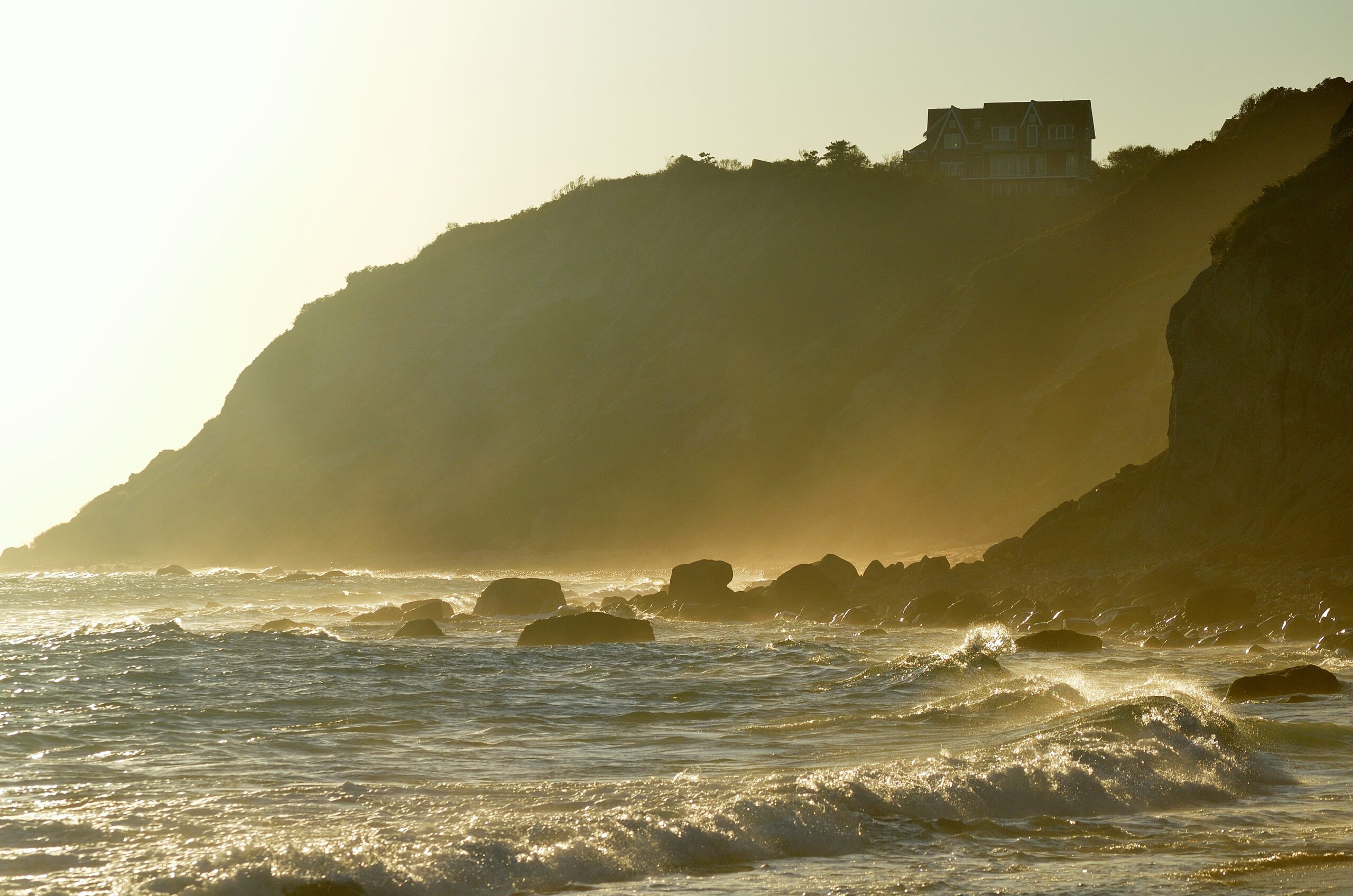
On Block Island, researchers will study shoreline erosion, bluff retreat, and sediment movement to improve planning for flooding and sea level rise.
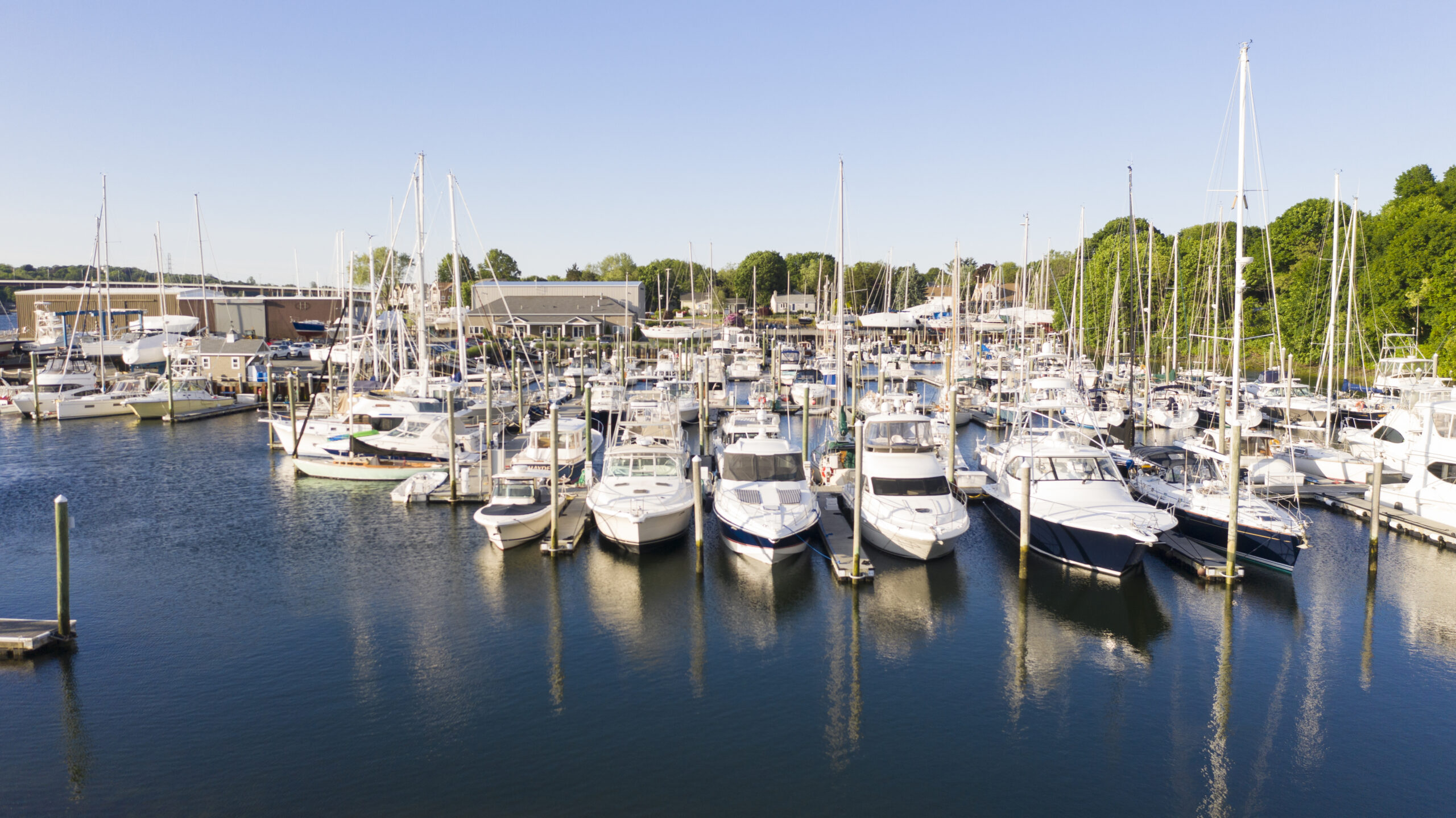
Additional work will assess storm-related risks to Rhode Island marinas through new quantitative models that evaluate coastal hazards, debris movement, and vessel impacts, providing planning tools for marina owners, planners, and emergency managers.
Other projects support healthy coastal ecosystems and working waterfronts. New research will advance eelgrass restoration by using seed-based approaches to improve eelgrass survival and recovery under warming water temperatures and changing environmental conditions.
Complementary work on Block Island salt marshes will examine response to changing sea levels, including erosion, sediment buildup, and carbon storage, to inform restoration and coastal planning.
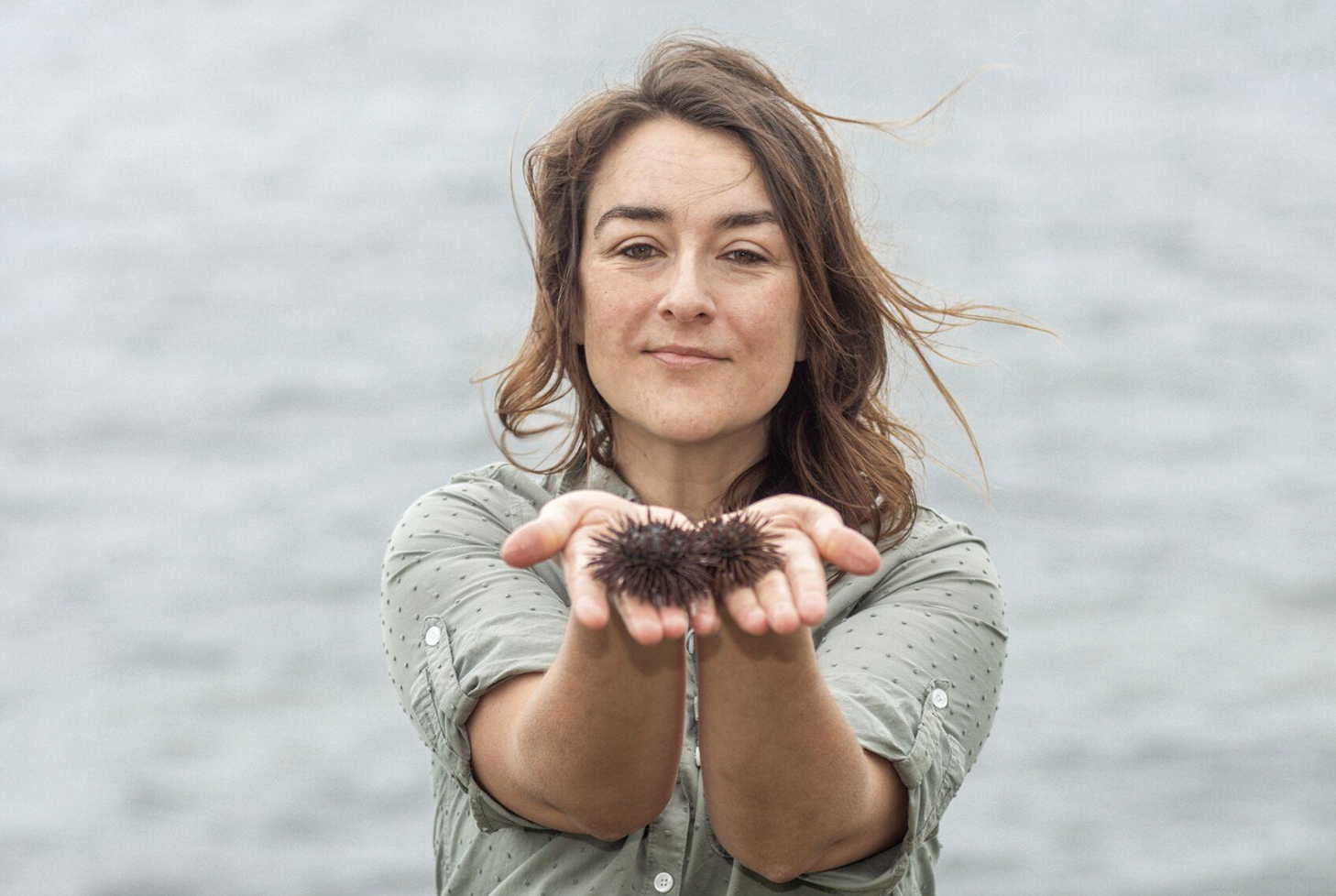
An additional study will test whether purple sea urchins can help reduce buildup on aquaculture gear, lowering maintenance needs while exploring their potential as a new farmed species.
Water quality and seafood safety are also central priorities.
Funded researchers will examine the sources, movement, and bioaccumulation of PFAS and related compounds in Narragansett Bay fish and shellfish to help inform environmental monitoring, seafood safety discussions, and future risk assessment efforts.
Together, these newly funded projects reflect Rhode Island Sea Grant’s commitment to interdisciplinary research that connects science to coastal management, industry needs, and community priorities. Findings will be shared as the research progresses.