Our Work
Ocean Planning
News & Stories
Current Initiatives
Featured Resources
About
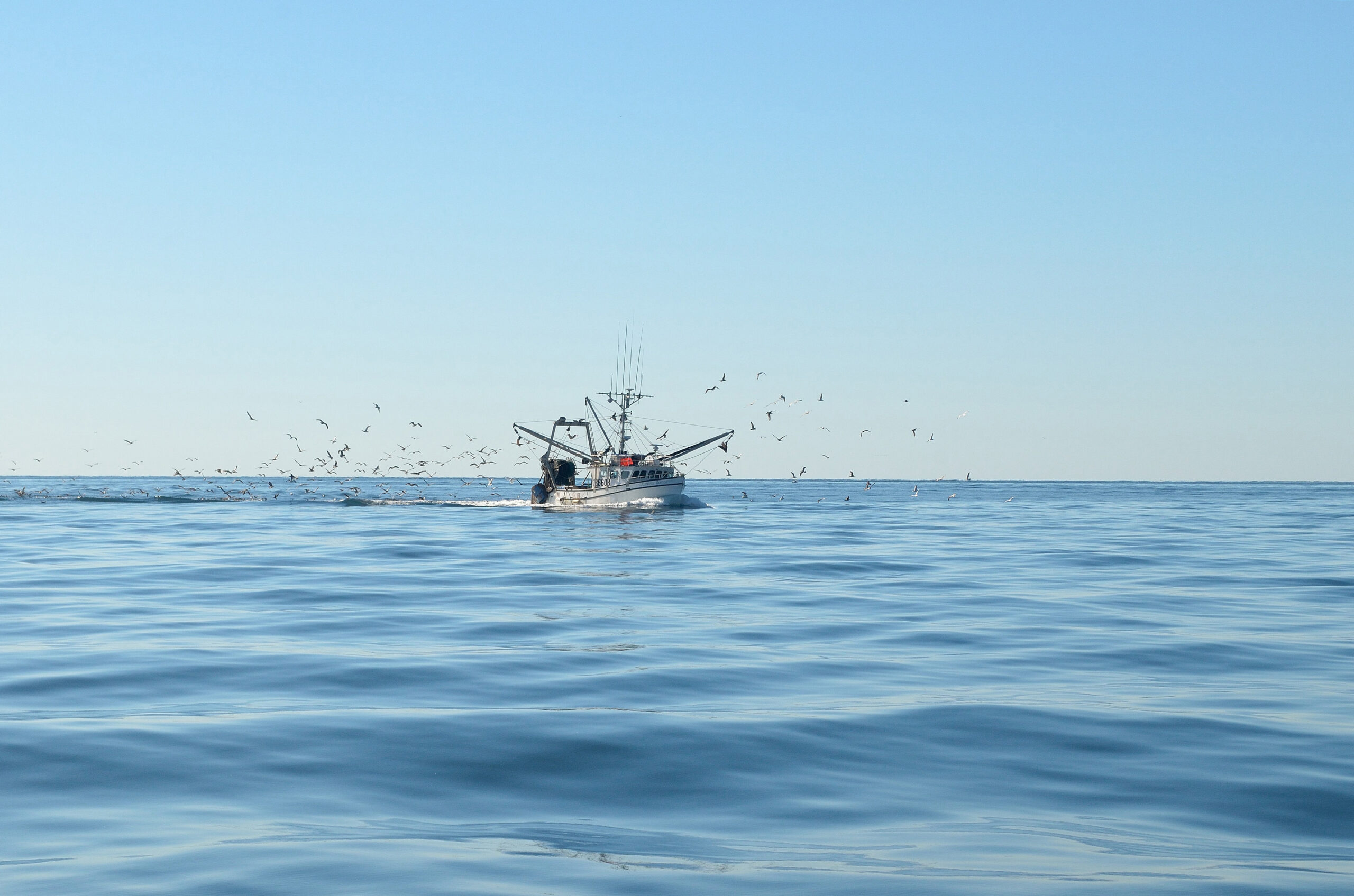
Rhode Island’s ocean waters support fisheries, renewable energy, maritime commerce, recreation, cultural resources, wildlife, and coastal communities. As demands on these shared spaces grow, thoughtful planning is needed to understand potential conflicts, identify opportunities, and protect marine ecosystems.
Rhode Island Sea Grant brings together communities, industry, government agencies, researchers, and ocean users to share knowledge and inform decisions about using and managing coastal and offshore waters.
Mission
To bring people, science, and policy together to guide the sustainable use and management of shared ocean spaces.
Focus Areas
Collaborative Planning
Bringing communities, government agencies, industry, researchers, and ocean users together to inform decisions about shared ocean spaces.
Multiple Ocean Uses
Supporting planning that considers fisheries, energy, maritime commerce, recreation, cultural resources, national defense, conservation, and marine ecosystems.
Knowledge and Capacity Building
Connecting practitioners and communities with objective information, applied research, technical expertise, training, and opportunities for peer learning.
Current Initiatives
National Sea Grant Energy Liaison Initiative
Rhode Island Sea Grant leads a national initiative that helps Sea Grant programs and their partners understand and participate in evolving coastal energy discussions. The initiative connects communities, ocean users, researchers, industry, and decision-makers with objective information, applied research, technical expertise, and opportunities for knowledge exchange.
Newport County Energy Community of Practice
A Rhode Island Sea Grant initiative connecting Newport County leaders and regional partners through field trips and shared learning focused on energy, the regional grid, and the blue economy.
Featured Resources
Fisheries & Benthic Monitoring TechSurge
The 2025 Ronald C. Baird Sea Grant Science Symposium brought together more than 150 researchers, industry leaders, practitioners, and other experts to explore marine technologies and ocean-observation tools supporting offshore monitoring and decision-making.
Hosted in partnership with the Marine Technology Society and the University of Rhode Island, the event demonstrated how collaboration across disciplines and sectors can strengthen the impact of marine science and technology.
For Shore Podcast Series
For Shore is a seven-episode series featuring fishermen, scientists, community leaders, and resource managers discussing ocean health, renewable energy, research, and the experiences of people affected by decisions about shared ocean spaces.
Our Impact
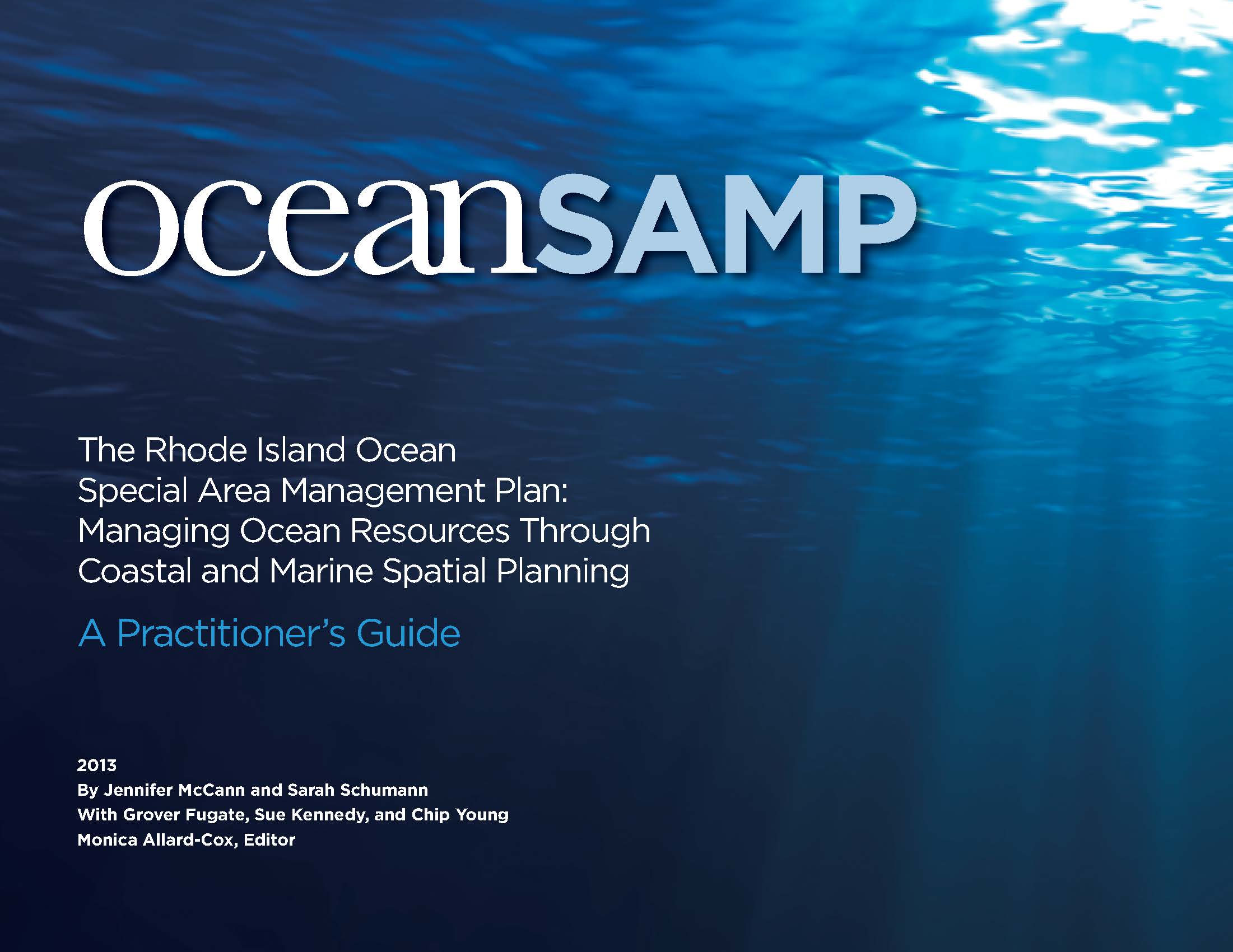
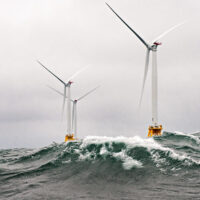
Rhode Island Sea Grant and the URI Coastal Resources Center helped lead the research and stakeholder-engagement process that informed Rhode Island’s Ocean Special Area Management Plan. Completed in 2010, the plan brought together scientific research and knowledge from ocean users to guide the management of Rhode Island’s offshore waters and inform the siting of the Block Island Wind Farm.
The Ocean SAMP became a nationally recognized model for collaborative, science-based ocean planning.
Planning Across Ocean Uses
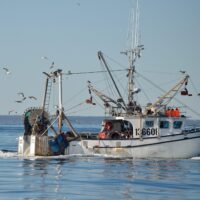
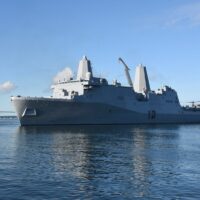
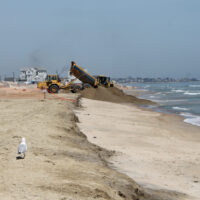
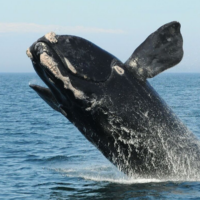
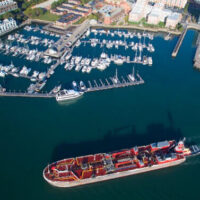
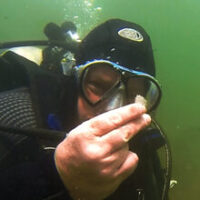
The Ocean SAMP considered the many activities, resources, and interests sharing Rhode Island’s offshore waters:

Meet Our Team
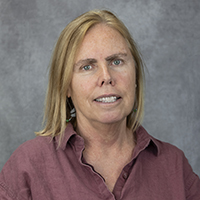
Jennifer McCann
Extension Director
Email: jmccann@uri.edu

Abbey Greene
Ocean Planning Specialist
Email: abbey_greene@uri.edu

Sue Kennedy
Extension Communications Specialist
Email: sbkennedy@uri.edu